















Tips For Extending the Life of Your Fiberglass Pool
Tips For Extending the Life of Your Fiberglass Pool
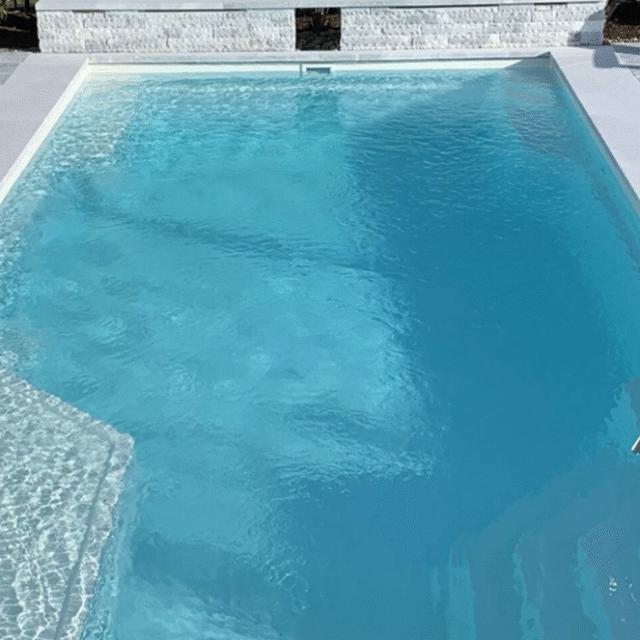
If you have just spent the year creating amazing memories with your Barrier Reef fiberglass pool, you might be thinking about how to take the best care of your pool so it stays in great shape! After all, you want your new backyard oasis to provide joy for years to come.
To ensure the maximum lifespan of your fiberglass pool, responsible ownership is key. Regularly clean the pool, balance the water chemistry, and keep your eye out for any signs of wear, such as discoloration (as stated in our warranty). When cleaning the pool shell surface, avoid using rough cleaning tools and keep water levels consistent. Most importantly, follow manufacturer guidelines and arrange to have the pool professionally inspected on a regular schedule.
What’s the Best Way to Clean and Maintain My Fiberglass Pool?
Maintaining a fiberglass pool can be a bit like tending to a beautiful garden; there are plenty of nuances involved with the process. Here’s a closer look at the best practices for cleaning and maintaining your beloved aquatic oasis.
Regular Cleaning:
Cleaning your fiberglass pool on a regular basis is essential. Debris like leaves, dirt, and other foreign particles can quickly accumulate on the surface and in the water. Use a pool skimmer or vacuum to remove any visible debris. Brush the pool’s walls and floor to prevent algae growth and keep the surface smooth. It’s also important to clean the pool’s filter regularly, which helps maintain water clarity and circulation.
Regular Testing:
To ensure your pool’s water chemistry is on point, invest in a good quality water testing kit. Test the water regularly, especially during the swimming season, and adjust the chemical levels as needed. Monitoring and maintaining proper water chemistry is a fundamental step in ensuring the longevity of your fiberglass pool.
Water Chemistry:
Maintaining the right water chemistry is crucial for your pool’s longevity. Use a water testing kit to monitor pH, chlorine levels, and alkalinity. Adjust these parameters as needed to keep the water balanced. Unbalanced water can lead to corrosion or scaling on the pool surface, so it’s vital to stay on top of this aspect of maintenance.
pH Levels:
pH measures the acidity or alkalinity of your pool water. Keeping the pH levels within the ideal range of 7.2 to 7.6 is crucial. If the pH is too high, it can lead to scale formation and cloudy water. If it’s too low, the water can become corrosive, which can damage your pool’s surface and equipment.
Chlorine Levels:
Chlorine is a sanitizer that helps to kill bacteria and algae in your pool. Maintaining an appropriate chlorine level is vital for keeping your water safe and clear. However, too much chlorine can cause damage to the pool surface, so finding the right balance is key. Chlorine levels should be between 1.0 – 3.0 ppm, with 1.5 being ideal.
Alkalinity and Calcium Hardness:
Alkalinity and calcium hardness play a role in stabilizing the pH levels in your pool. Proper alkalinity (between 80-120 ppm) and calcium hardness (between 150-200 ppm) levels help prevent fluctuations in pH and protect your pool’s surface.
The Do’s and Don’ts of Fiberglass Pool Maintenance
Do’s:
- Regular Cleaning: As I mentioned earlier, regular cleaning is a must. Keep the pool free of debris, brush the walls and floor, and maintain proper water circulation.
- Water Chemistry: Monitor and adjust water chemistry regularly. Maintaining the right pH, chlorine, alkalinity, and calcium hardness levels is crucial.
- Professional Help: Don’t hesitate to call a professional if you’re uncertain about any aspect of maintenance or if you encounter significant issues. They have the expertise to handle complex problems.
Don’ts:
- Abrasive Tools: Avoid using abrasive cleaning tools or harsh chemicals on your fiberglass pool. They can damage the gel coat and lead to costly repairs.
- Drastic Temperature Changes: Fiberglass pools are durable, but extreme temperature changes can stress the material. Avoid rapid temperature fluctuations whenever possible.
- Neglect: Don’t neglect your pool. Even if you’re not using it during the offseason, maintaining proper water chemistry and covering the pool can prevent damage and reduce the workload when you’re ready to swim again.
Keeping Your Fiberglass Pool Looking Pristine
Maintaining the functionality of your fiberglass pool is crucial, but let’s not forget about its aesthetics. Here are some tips to ensure your pool looks pristine and inviting.
- Regular Skimming: Make it a habit to skim the pool surface daily. This will prevent debris from settling and staining the pool’s interior.
- Brushing and Vacuuming: Brush the pool’s walls and floor at least once a week to prevent algae growth and remove any buildup. Use a pool vacuum to ensure thorough cleaning.
- Stain Prevention: Be cautious when using pool chemicals. Avoid direct contact with the pool’s surface. Additionally, consider using a sequestering agent to prevent mineral and metal stains.
- Algae Control: Keep your pool’s water properly balanced to avoid algae growth. Algae growth not only affects water quality but can also stain the pool surface.
- Regular Maintenance: Stay on top of regular maintenance tasks, including cleaning the filter, checking for leaks, and servicing the pool equipment. A well-maintained pool is more likely to look its best.
Winterizing Your Fiberglass Pool for Longevity
If you live in an area subject to freezing winter weather in the off-season, it’s essential to properly winterize your fiberglass pool to protect it during the winter months.
Here are the steps to follow:
- Balance Water Chemistry: Before closing your pool, ensure the water chemistry is balanced. This prevents scaling, staining, and corrosion during the winter months.
- Clean the Pool: Thoroughly clean the pool, including removing all debris and algae. A clean pool is less likely to develop problems during the offseason.
- Lower Water Level: Lower the water level to prevent damage from freezing. Consult your pool manufacturer’s guidelines for the recommended level.
- Winter Cover: Invest in a high-quality winter cover to protect the pool’s surface and keep out debris. Ensure it is securely fastened to prevent damage from strong winds.
By following these guidelines, you’ll be well-equipped to extend the life of your fiberglass pool and keep it in pristine condition. Implement a regular maintenance schedule for your pool, including cleaning, water chemistry checks, and timely inspections. Set up reminders, create a checklist, or mark it on your calendar. Consistency is key! By staying on top of maintenance, you’ll not only extend the life of your fiberglass pool but also continue to enjoy its crystal-clear waters for years to come.
At Barrier Reef Pools, we encourage you to browse our wide selection of beautiful fiberglass swimming pools. For any questions, please contact us here or reach out to us on our social media listed below. We would love to help you find your new pool!
If you’re a Barrier Reef Pool owner you can view the pool care guide, register your pool and view your warranty in our Support section