



















Pros and Cons of Fiberglass Pools
Pros and Cons of Fiberglass Pools
Are you dreaming of hot summer days spent lounging by your very own pool? When shopping for a swimming pool, the main question you’ll face is, what type of pool is best for your home? Among the many options available, fiberglass pools have captured the attention of homeowners for their mix of elegance, durability, and low-maintenance features.
If you’re exploring whether a fiberglass pool is the perfect investment for your backyard, we offer you this comparative guidance detailing its advantages and disadvantages while addressing some essential questions to help you make an informed decision.
What Is a Fiberglass Pool?
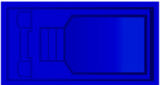
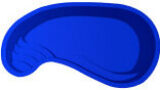
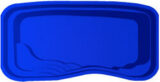
A fiberglass pool is a one-piece swimming pool shell, molded and crafted from high-quality fiberglass material, then layered with a gelcoat for a smooth, durable, and non-porous finish. Unlike concrete or vinyl pool options, fiberglass pools offer pre-designed shapes and sizes, making installation quick and efficient. Their popularity stems from their sleek look, ease of maintenance, and long lifespan.
Wondering is a fiberglass pool worth it? Let’s break down the advantages and disadvantages.
Benefits of Fiberglass Pools
1. Long Lifespan and Durability
Fiberglass pools are built to last. On average, a properly maintained fiberglass pool has a lifespan of 25–30 years, and in some cases, even longer. The gelcoat surface resists algae growth, keeps chemicals from eating through the material, and often outlasts the materials used in concrete and vinyl pool options. Plus, their flexible structure can withstand minor earth movements that might otherwise crack a rigid concrete pool.
FAQs Answered:
- How long does a fiberglass pool really last?
With proper care, your fiberglass pool will hold up for decades with minimal repairs, making this a long-term investment in your outdoor oasis.
2. Low Maintenance and Lower Lifetime Costs
Fiberglass pools are famously low-maintenance, thanks to their non-porous surface. Unlike concrete pools that attract algae or vinyl pools with liners that degrade over time, a fiberglass pool requires less chemical balancing and virtually eliminates the need for scrubbing down surfaces. This dramatically reduces your overall fiberglass pool maintenance cost.
Here’s why you’ll save long-term:
- No resurfacing required (unlike concrete).
- Fewer chemicals needed to sanitize the water.
- Energy-efficient pump use, as the pool’s design makes circulation more effective.
3. Softer, Safer Surface
If you love a smooth swim experience, fiberglass pools are for you! The gelcoat surface is gentle on skin, reducing the risk of scraped knees and elbows. The steps and built-in features often get an added texture for slip resistance, making the pool safer for kids and adults alike.
4. Compatible with Saltwater Systems
Saltwater systems offer a gentler alternative to chlorine treatments but can wreak havoc on certain pool types. The good news? Fiberglass pools are completely saltwater-compatible! Their salt-resistant gelcoat layer ensures they won’t corrode or degrade over time, unlike concrete and vinyl pools.
5. Quick Installation Timeline
Need your pool ready by pool party season? Fiberglass pools are by far the fastest to install, taking as little as 3 to 5 days to complete the in-ground setup. Compare that to concrete, which can take 2–3 months, and it’s easy to see why fiberglass is an attractive option.
6. Customizable Features and Stylish Colors
Think fiberglass pools only come in boring blue ovals? Think again. These pools are available in stunning colors and come with numerous options like tanning ledges, built-in seating, and even attached spa features. While the molds are pre-designed, there’s still plenty of room to make your pool unique.
7. Energy Efficiency
Fiberglass pools insulate water better than concrete or vinyl, which means less energy is needed to maintain your desired water temperature. This feature alone makes them an eco-friendly and cost-effective choice for environmentally conscious homeowners.
Downsides of Fiberglass Pools
While fiberglass pools shine in many areas, they do come with a few limitations. Here’s what you need to watch out for before taking the plunge:
1. Customization Limitations
Unlike concrete pools, which can be fully tailored to any shape or size, fiberglass pools are confined to pre-designed molds, which means less flexibility in design. Additionally, national transportation laws limit the maximum width of fiberglass pools to 16 feet.
FAQ Explored:
- Will this work in my yard? Fiberglass pools are widely compatible with most spaces, but for uniquely shaped or restricted areas like rocky or root-laden yards, consult a professional.
2. Color Matching Repairs
While repairs are rare, if the gelcoat surface needs patching, it can be challenging to perfectly match the existing color, especially as the pool fades naturally over time. While the difference is often subtle, it’s worth considering for perfectionists.
3. Higher Upfront Costs
Compared to vinyl pools, fiberglass pools require a higher initial investment. The upfront price can be up to a third more, but when you factor in the low maintenance costs and decades-long lifespan, fiberglass often proves to be the most economical choice in the long run.
Quick Tip:
To maximize your investment, choose manufacturers offering comprehensive fiberglass pool warranty plans to cover unexpected issues.
How Does Fiberglass Compare to Vinyl and Concrete?
| Feature | Fiberglass | Concrete | Vinyl |
| Durability | 25–30+ years | 10–20 years | 5–10 years (liner replacement) |
| Maintenance | Low | High (algae prone) | Moderate (liner care) |
| Installation | 3–5 days | 2–3 months | 4–6 weeks |
| Surface Texture | Smooth and safe | Rough | Soft (but liners tear easily) |
| Saltwater Compatible | Yes | No (damages plaster) | No (corrodes metal) |
| Upfront Cost | $$$$ | $$$ | $$ |
Fiberglass pools stand out in nearly every category, making them a popular choice for homeowners looking for long-term value and easy ownership.
Common Fiberglass Pool FAQs
1. Can fiberglass pools crack or fade over time?
Fiberglass pools are highly durable, but like any product exposed to direct sunlight and water, some fading is inevitable over time. Cracks are extremely rare and usually occur only due to improper installation.
2. Will a fiberglass pool increase my home value?
Yes! Installing a pool can increase your home’s value by up to 7%, particularly if your neighborhood caters to families that enjoy outdoor amenities.
3. How much does it cost to resurface a fiberglass pool?
Unlike concrete pools, which require resurfacing every 10 years, fiberglass pools rarely need this treatment. When they do, costs range from $2,000–$8,000 depending on the size and scope of the project.
The Undeniable Pros: Why Choose Fiberglass Pools?
If you’re looking for an easy-to-maintain, affordable, and long-lasting pool option, fiberglass pools are hard to beat. With a non-porous surface that resists algae and staining, these pools cut routine pool maintenance by up to 90%! Barrier Reef fiberglass pools are factory-built under strict quality standards to ensure consistent durability up to 17 times stronger than concrete.
Plus, installation couldn’t be faster or more efficient. Our experienced builders often complete new fiberglass pool installations in days, which reduces disruption to your home. And the best part? Thanks to reduced chemical use, energy efficiency, and no resurfacing or liner replacements, the long-term cost of fiberglass pool ownership is dramatically lower than that of concrete or vinyl pools.
Understanding the Cons: Potential Drawbacks
While the advantages of owning a fiberglass pool are hard to overstate, there are a few limitations worth considering before you buy. Due to the fact that fiberglass pools are manufactured according to pre-determined designs, they aren’t fully customizable like other pool options. Site layout can also contribute to costs, especially in places where access is tight, imposing limits on transportation and crane placement.
However, when weighing fiberglass vs concrete, many homeowners find the benefits far outweigh these minor considerations.
Wrapping It Up
Choosing the right pool for your home is a big decision, but the benefits of a fiberglass pool are hard to beat. They offer a winning combination of luxury, longevity, and peace of mind, ensuring you spend more time enjoying your pool than maintaining it. If you’re ready to transform your backyard into a slice of paradise, a fiberglass pool is an investment worth making.
We encourage you to browse our selection of fiberglass swimming pools, built by our expert team to the highest standards in the industry. For any questions, please contact us here or reach out to us on our social media listed below. We would love to help you find your new pool!
If you’re a Barrier Reef Pool owner you can view the pool care guide, register your pool and view your warranty in our Support section