














Which is Cheaper, Fiberglass or Concrete Pools?
Which is Cheaper, Fiberglass or Concrete Pools?
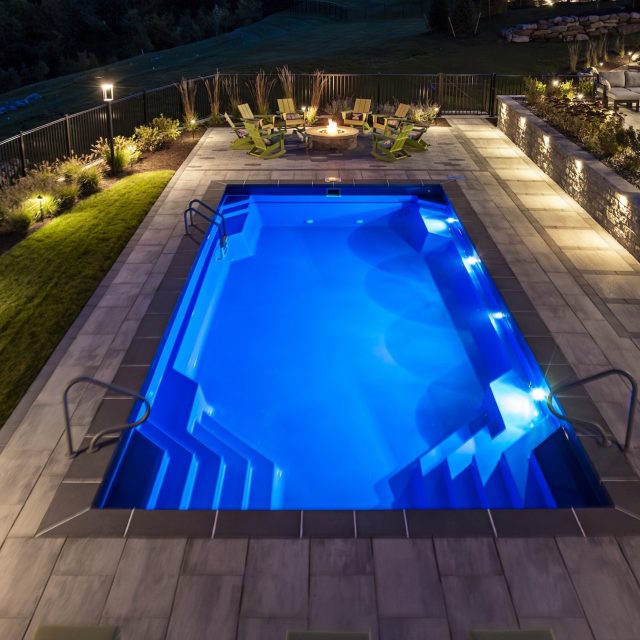
When it comes to building a swimming pool, cost is often one of the biggest deciding factors. And while both fiberglass and concrete pools offer unique benefits, fiberglass pools consistently prove to be the more affordable choice — not just upfront, but throughout their entire lifespan.
On average, a fiberglass pool can cost $10,000–$25,000 less to install than a comparable concrete pool. Add in lower maintenance, fewer repairs, and lower chemical costs, and it’s clear why so many homeowners are choosing fiberglass. In this article, we’ll explore the factors that make fiberglass pools the most cost-effective and practical choice for your backyard.
Customization: smart design without the expense
While concrete pools can be molded into virtually any shape, that level of customization comes at a steep price. Each concrete pool requires on-site construction, custom engineering, and multiple finishing stages — all of which drive up labor costs.
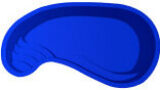
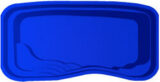
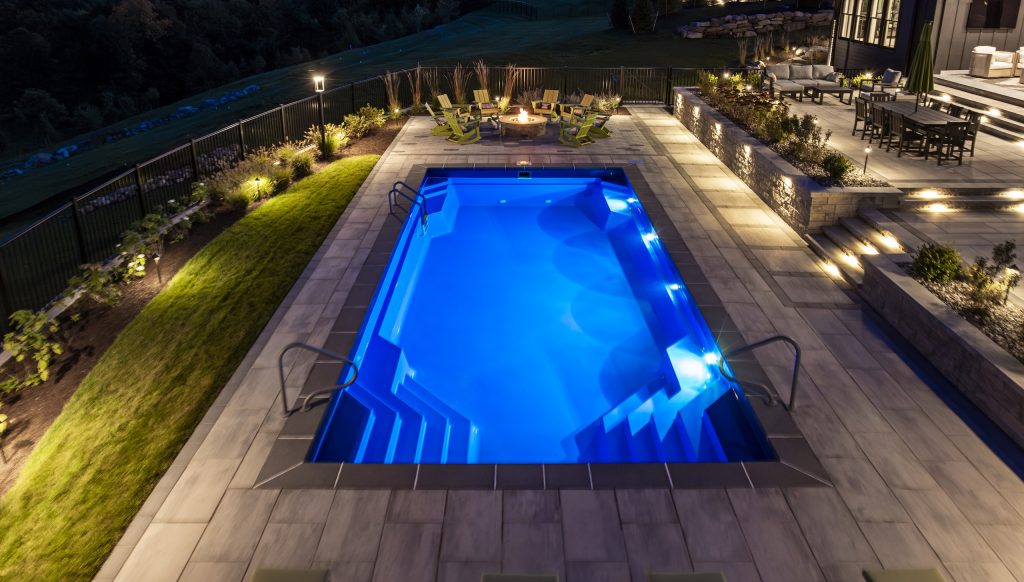
Fiberglass pools, on the other hand, come in a wide variety of pre-designed shapes and sizes that offer sleek, modern aesthetics at a much lower cost. With built-in steps, tanning ledges, and seating already molded into the shell, you can achieve a luxury look without custom pricing.
Installation time: faster completion, less disruption
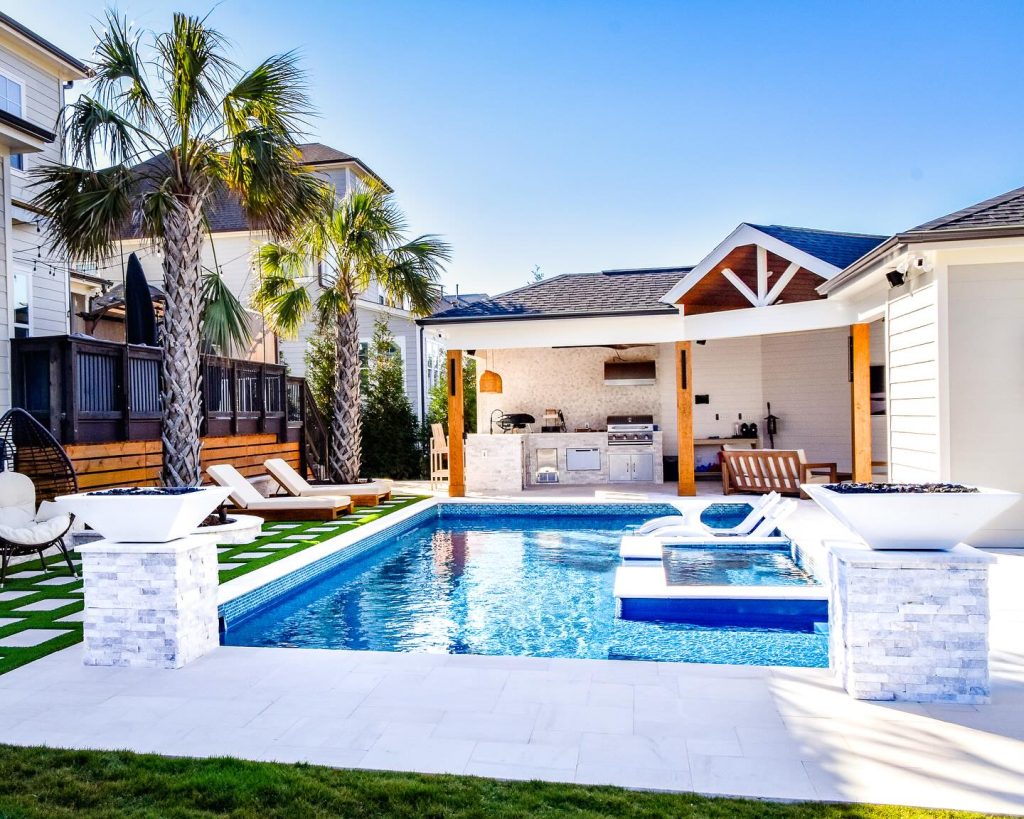
Concrete pools can take two to three months (or more) to install, as each stage — from forming to curing — requires significant time. Fiberglass pools are pre-manufactured in a controlled facility and arrive ready for installation, which means they can often be completed in weeks.
A faster installation not only saves labor costs but also minimizes disruption to your home and yard — so you can start enjoying your new pool sooner.
Durability: built to last
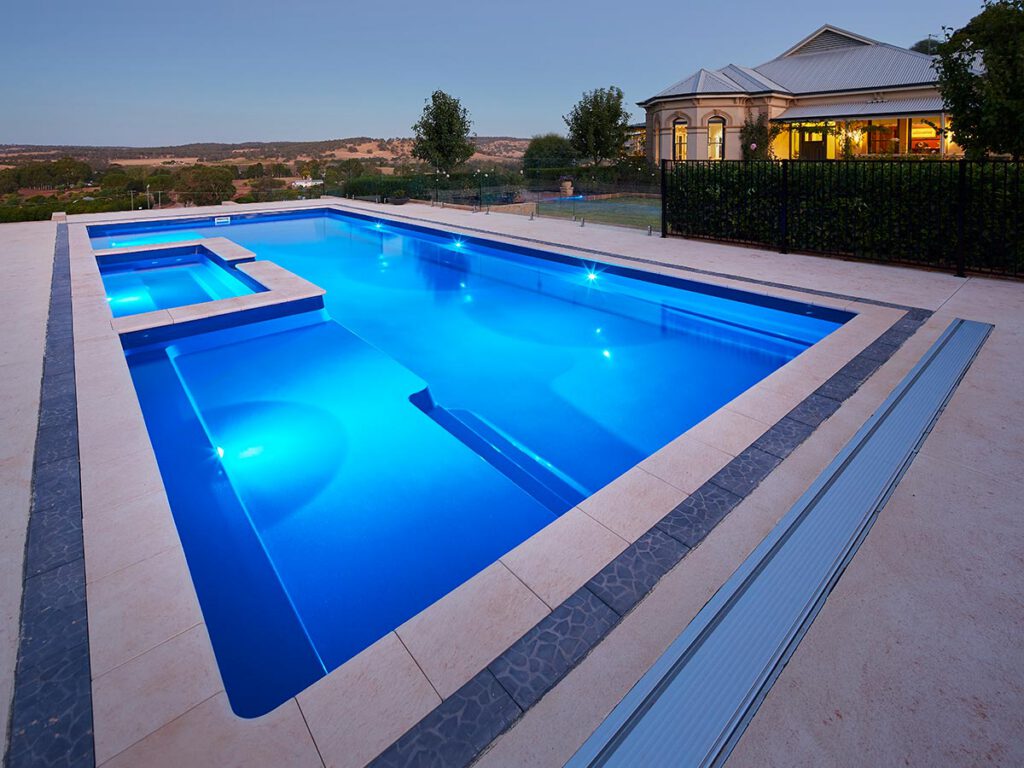
Fiberglass pools are engineered for long-term strength and flexibility. The shell can flex slightly to adapt to shifting soils, making it ideal for a variety of climates. Concrete, by contrast, is rigid and prone to cracking over time, leading to expensive repairs.
With a lifetime limited structural warranty, a fiberglass pool from Barrier Reef Pools is a durable investment that stands the test of time.
Maintenance: less hands-on work
Concrete pools are porous, meaning algae and bacteria can easily embed in the surface, requiring regular brushing, vacuuming, and chemical treatments. The smooth gel coat of a fiberglass pool resists algae growth, which means far less cleaning and fewer chemicals to maintain healthy water.
This reduction in hands-on care translates to major time savings — and significant cost savings on maintenance products.
Chemicals and energy efficiency
Fiberglass pools are naturally more energy- and chemical-efficient. Their slick surface doesn’t harbor microorganisms, so homeowners use up to 50% fewer chemicals to keep the water balanced.
Enjoy more, spend less with Barrier Reef Pools
![A view of a fully installed Barrier Reef fiberglass pool (possibly the [Pool Model Name] model) in an outdoor setting, showcasing the water color, integrated steps, and surrounding landscape.](https://www.brpoolsusa.com/wp-content/uploads/2025/09/Z9J_1812-3-1-1-1024x683.jpg)
When comparing fiberglass vs. concrete pools, fiberglass is the clear winner for homeowners who want long-lasting quality without the high costs. From faster installation to reduced maintenance, lower energy bills, and enduring beauty, fiberglass delivers unmatched value year after year.
Ready to make a smart investment in your backyard?
Contact your local Barrier Reef Pools dealer today to explore our fiberglass pool designs and start planning your affordable, low-maintenance dream pool.
If you’re a Barrier Reef Pool owner you can view the pool care guide, register your pool and view your warranty in our Support section